Across this series, we argued for a particular way of measuring AI readiness: evidence over enthusiasm, scores delivered as starting points, progress tracked as a trend rather than filed as an event, interviews built with the discipline of hiring science, and a rubric its own makers sit first. Arguments that long invite questions, and the same ones arrive from almost every boardroom that meets this approach for the first time.
This page collects those questions and answers them the way the assessment itself would, plainly and one at a time. Each answer stands alone, so read the ones you need and go deeper in the series wherever an answer earns your attention.
What is the AI readiness assessment?
A structured, interview-based evaluation of how ready an organisation is to create value with AI, scored across seven pillars: strategy, value creation, operating model, technology, data, governance, and talent and culture. Results are delivered as colour-band statuses with a written roadmap per pillar.
What makes it evidence-based?
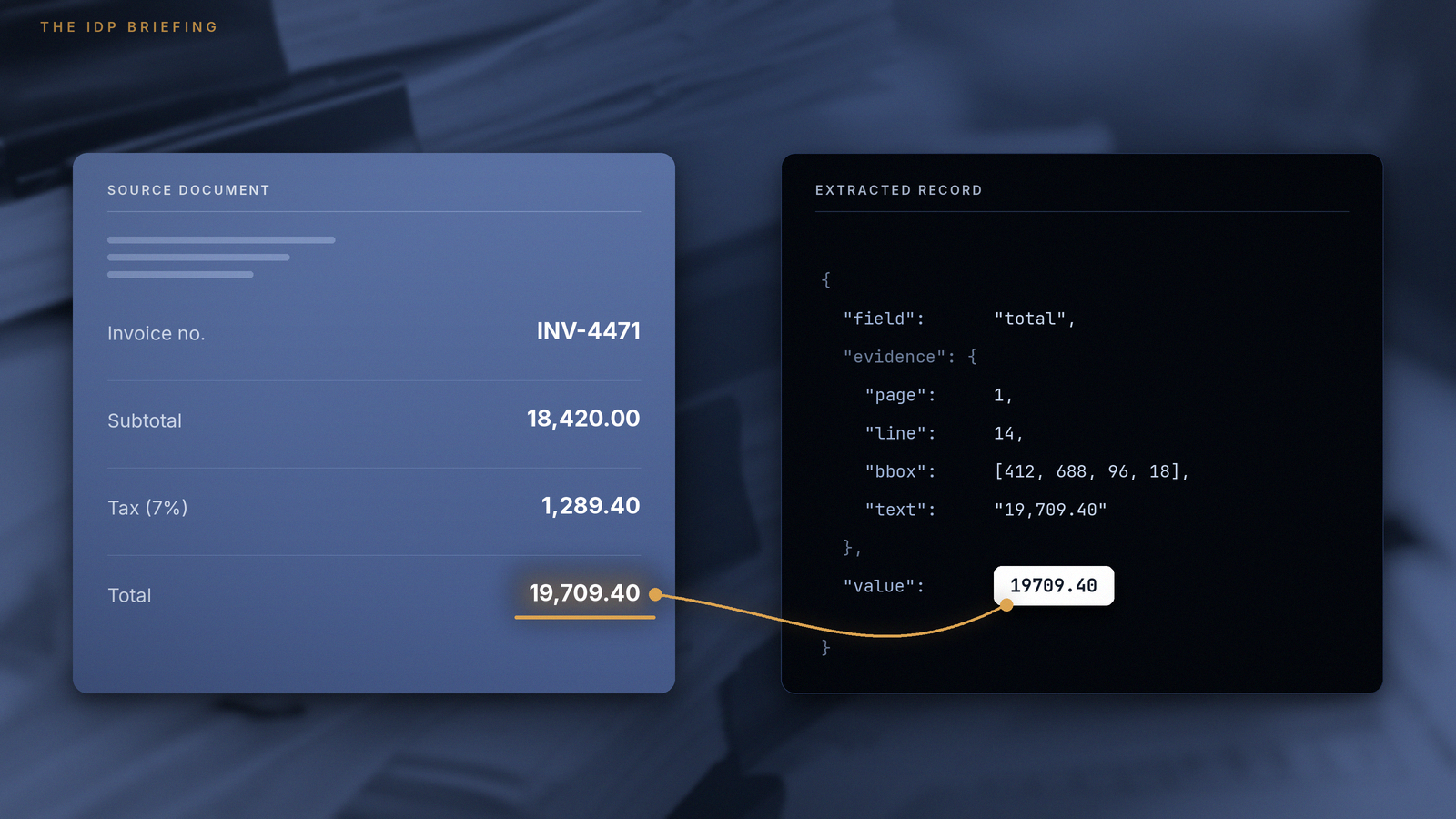
One rule does most of the work. Answers must cite implemented initiatives with measurable outcomes. “We are planning to” does not score, because plans are messages and outcomes are evidence. The teams that admit their gaps get the most from the exercise, because an honest baseline produces a usable plan.
Why do results arrive as colours and statuses rather than numbers?
Because reception decides value. Feedback research shows that scores aimed at the self produce defence rather than improvement, so external reports lead with colour-band statuses, red, amber, and green, while precise scores serve internal tracking. Executives often recognise the pattern from employee engagement surveys, where objections to the instrument arrive before any discussion of the findings. Some of those objections are fair, and none of them change what the exercise is for. A colour invites a conversation about direction. A decimal invites a negotiation.
What does a “gap” actually mean in the report?
An instruction, not a verdict. Every maturity level carries a written definition of the behaviours that earn it, and every gap is paired with recommendations written against the next level. A gap with a roadmap is a plan waiting for a decision.
What are the next steps after an AI readiness assessment?
The report arrives with the next steps built in. Every pillar closes with recommendations written against the published definition of the next maturity level, so the readout becomes a sequencing conversation: which gaps to work first, what support each needs, and when the next reading will test the effort. The score starts the work. The roadmap directs it.
How are the interviews run?
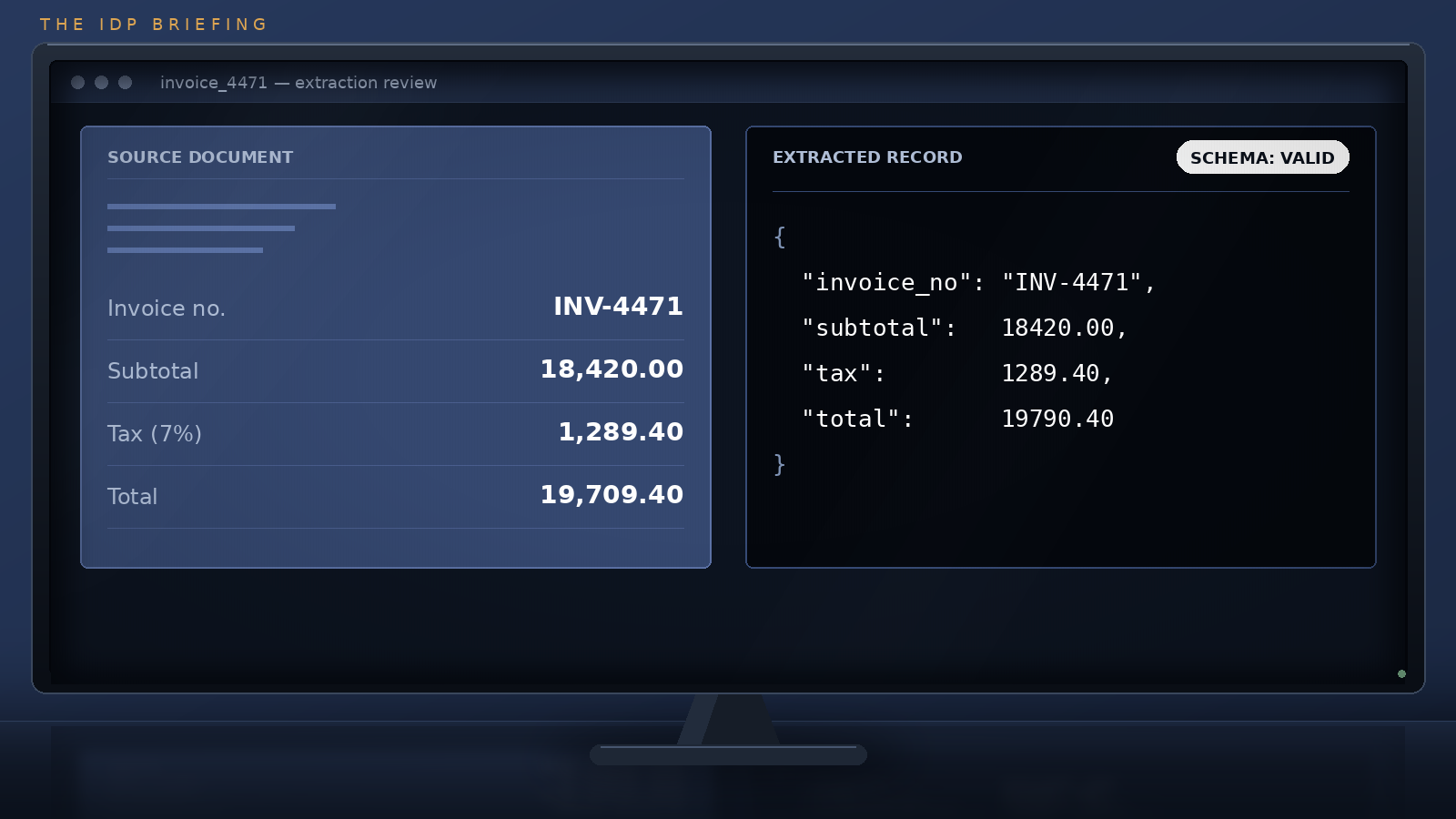
Like the best hiring interviews. Fixed questions scored against written rubrics, story-based prompts that ask for specific past events rather than opinions, questions tailored by role, multiple leaders interviewed per organisation, and two interviewers in every session so evidence is gathered consistently. Sessions are transcribed, so every finding can be traced back to what was actually said.
Why are multiple people interviewed?
Because one perspective, however senior, is a sample size of one. A CEO, a CIO, and an operations lead do not see the same organisation, and disagreement between their accounts is not noise. It is usually the finding.
How do we ensure the assessment is comprehensive, and that it reflects the truth of the enterprise?
By design rather than by trust. Coverage comes from the seven pillars, each scored against written definitions of what every maturity level looks like in practice. Truth comes from the evidence rule and from triangulation: role-tailored questions across multiple leaders, two interviewers per session, transcribed evidence, and answers that must cite implemented examples with outcomes. When accounts disagree between chairs, the disagreement is examined rather than averaged.
How long does an assessment take?
Each interview lasts about an hour. If a conversation needs more time, we schedule a follow-up instead of rushing the evidence. We handle evidence review, scoring, and report preparation. The overall duration depends more on your schedule than the method. The speed of your leaders completing interviews determines how soon the report is ready.
How often should readiness be measured?
On a cadence, not as a one-off. Readiness evidence is perishable: sponsors move on, pilots end, key people leave. A single score is a photograph; two honest scores are a trajectory, and the second measurement arrives with an agenda, testing which of last reading’s recommendations converted into movement.
Who is accountable for progress between readings?
Both parties. The company answers for the effort. We answer for the advice. When recommendations are acted on and a pillar does not move, the advice is what failed, and the roadmap is corrected.
How does the assessment work across different industries, including labour-intensive ones like construction and agriculture, or hospitality businesses like hotels?
The pillars measure organisational capabilities, not industry tropes, so the instrument itself does not change. What changes is the evidence. Value creation in a hotel group looks different from value creation on a construction site, and the interviews are built to surface implemented examples from your value chain, wherever AI genuinely touches it. Scoring also runs against your own baseline and your own roadmap rather than a cross-industry league table, and pillar evaluations draw on industry context, so a labour-intensive operation is measured on what readiness means for its business, not someone else’s.
Have you taken the assessment yourselves?
Yes, in two stages. The methodology’s earliest practice interviews were run internally, before any client engagement, and we have since sat the complete assessment: same rubric, same pillars, findings written into the same report format clients receive, gaps included, held to the same roadmap discipline.
What should we ask any assessment provider, including you?
Three things. What exactly will the company be asked, and against what rubric? How many roles will be interviewed? And has the provider sat its own test, and what changed because of it? A test its own authors will not sit is not a test.
How do we start?
Read the series on evidence-based AI readiness, beginning with the optimism gap. Then bring the executive quick check from the campaign one-pager to your next portfolio review.